

AQP One Addresses the Role of Personal Baselines in Wearable Biometric Data Interpretation
As Wearable Technology Expands, AQP One Highlights the Growing Importance of Personalized Physiological Context
GARDEN GROVE, CA, UNITED STATES, July 22, 2026 /EINPresswire.com/ -- The rapid growth of wearable technology has given consumers unprecedented access to physiological data. Heart rate, heart rate variability (HRV), sleep scores, blood oxygen trends, recovery metrics, and other measurements are now available at the touch of a screen.
Yet an important question is increasingly being asked across the health technology industry: How meaningful is a biometric measurement without understanding the individual behind it?
A resting heart rate of 75 beats per minute may be perfectly normal for one person while representing a meaningful change for another. Likewise, an HRV score that appears low for one individual may actually reflect that person’s normal physiological pattern.
As wearable adoption continues to accelerate, researchers and technology developers are increasingly recognizing that physiological measurements often require context.
“The human body is highly individualized,” said Tracy (Trang) Nguyen, Founder of AQP One. “Two people can have similar biometric readings while experiencing very different physiological conditions. Context matters.”
Historically, many health technologies have relied on population averages and generalized reference ranges. While these benchmarks remain valuable, they may not fully capture the unique biological patterns that develop within each individual over time.
As a result, growing attention is being directed toward the concept of personalized physiological baselines — dynamic reference frameworks built from an individual’s own historical patterns rather than relying solely on population norms.
Rather than focusing exclusively on a single reading, baseline-driven approaches seek to evaluate:
• Long-term physiological stability
• Directional changes over time
• Variability relative to personal norms
• Relationships among multiple physiological signals
Supporters of this approach believe that deviations from an individual’s established patterns may sometimes provide greater insight than isolated measurements viewed independently.
The concept is becoming increasingly relevant as consumers monitor sleep quality, stress, recovery, cardiovascular wellness, metabolic health, and lifestyle habits through connected devices and digital health platforms.
According to AQP One, future generations of wearable technologies may move beyond simply collecting data toward understanding how physiological patterns evolve over weeks, months, and years.
The company recently introduced BioBaseline™, a proprietary modeling framework designed to establish individualized physiological reference patterns within its expanding Physiological Intelligence Platform™.
“The future of wearable intelligence may not be defined by how much data we collect,” Nguyen added. “It may be defined by how well we understand what that data means for each individual.”
As artificial intelligence and digital health continue to converge, personalization may become one of the most important factors in transforming data into meaningful wellness insights.
All outputs generated by AQP One technologies are intended solely for general wellness purposes and are not intended to diagnose, treat, cure, or prevent any disease.
About AQP One, Inc.
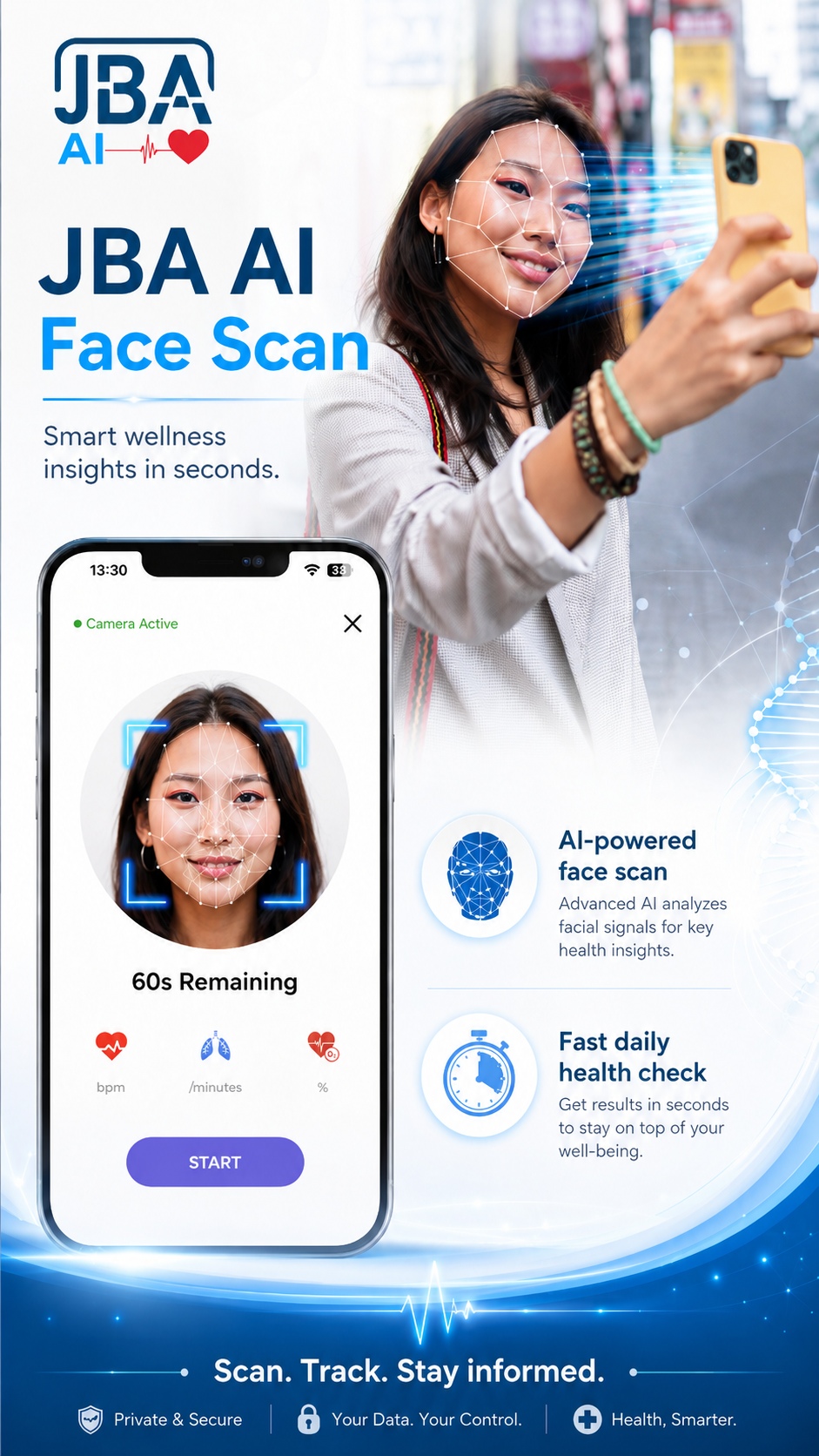
AQP One is a U.S.-based health technology company developing AI-powered physiological intelligence solutions that integrate wearable devices, personalized wellness software, and digital health technologies. Its JBA AICare™ platform combines physiological modeling, sleep intelligence, metabolic trend analysis, recovery intelligence, and personalized wellness engagement to help individuals better understand their health journeys.
Angie Phan
AQP ONE, INC
info@aqpharmaceuticals.com
Legal Disclaimer:
EIN Presswire provides this news content "as is" without warranty of any kind. We do not accept any responsibility or liability for the accuracy, content, images, videos, licenses, completeness, legality, or reliability of the information contained in this article. If you have any complaints or copyright issues related to this article, kindly contact the author above.
