

As 2026 Begins, AndaSeat Examines How Novis Series Chair Fits Changing Home and Hybrid Living Spaces
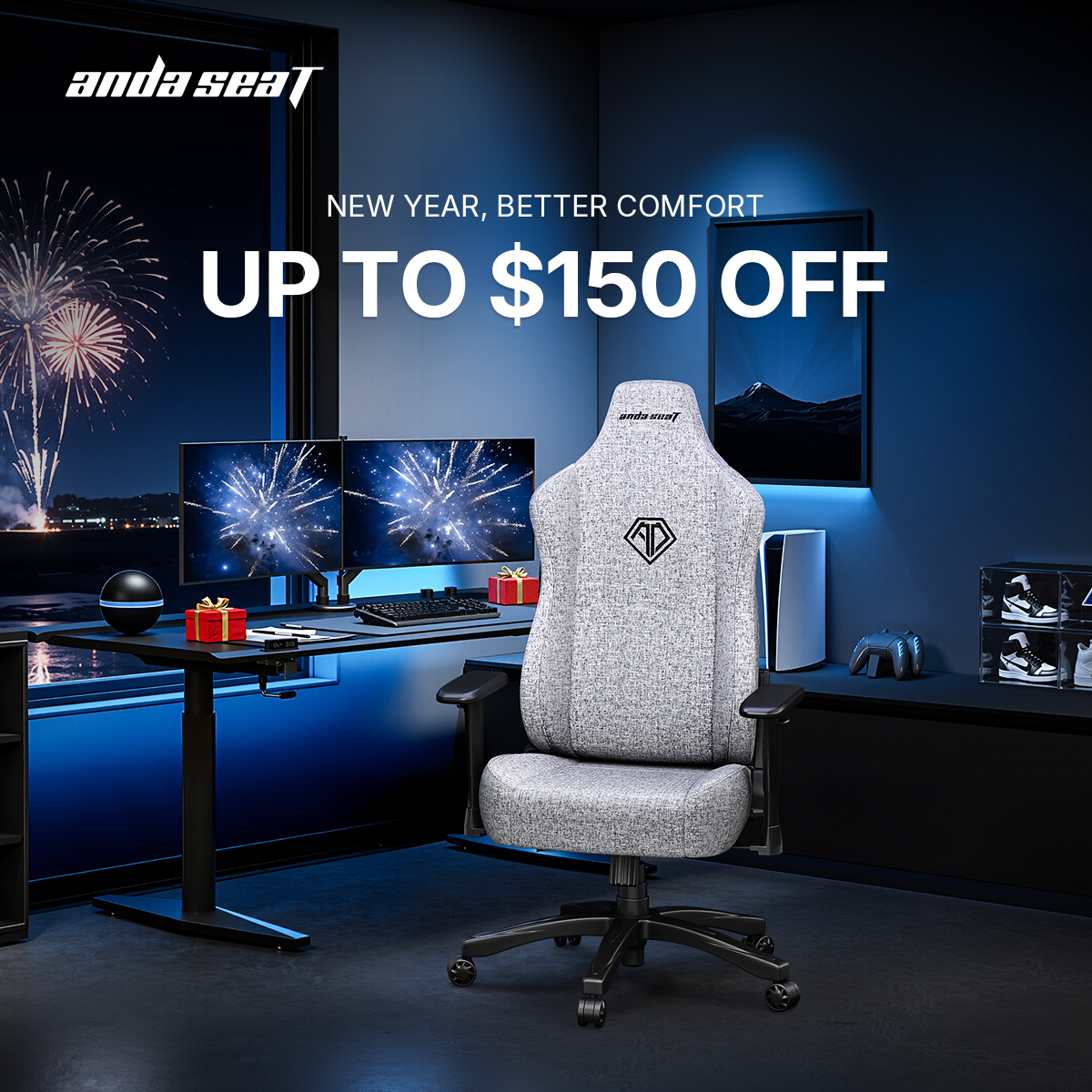
2026 New year AndaSeat Novis Chair
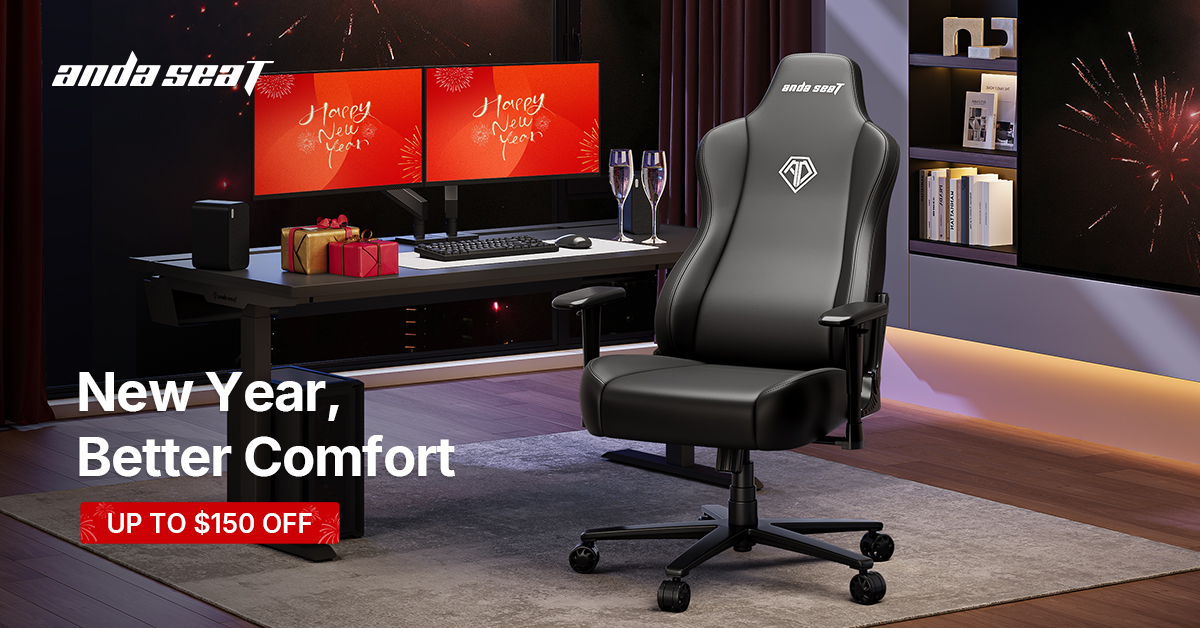
2026 New year AndaSeat Novis Chair Dark
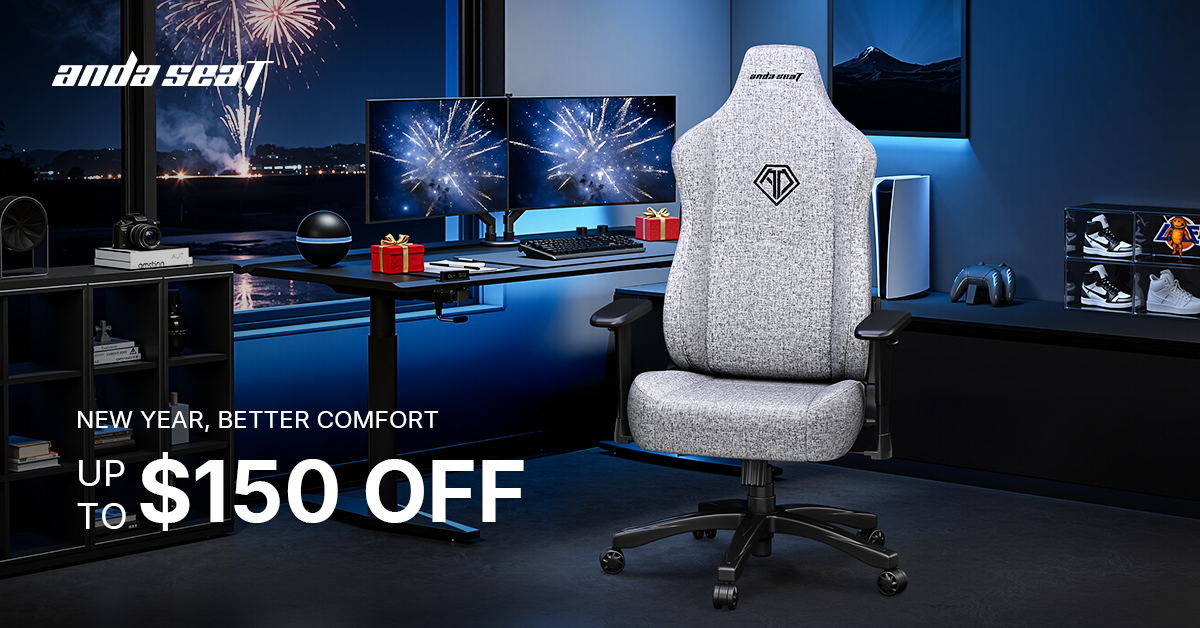
2026 New year AndaSeat Novis Chair Grey
As 2026 Begins, AndaSeat Examines How Novis Series Chair Fits Changing Home and Hybrid Living Spaces
SPOKANE, WA, UNITED STATES, January 6, 2026 /EINPresswire.com/ -- As 2026 begins, changing residential patterns are reshaping how users approach home seating. Recent consumer housing and workspace studies indicate that more than 60 percent of urban residents now live in spaces under 900 square feet, while nearly 70 percent report using a single room for multiple daily activities, including work, study, and leisure. These shifts have led to a reevaluation of how seating fits not only the body, but the space around it.Unlike earlier discussions that focused primarily on prolonged sitting duration, current buyer concerns increasingly center on spatial compatibility, visual balance, and how furniture integrates into mixed-use environments. In this context, chairs are no longer judged solely on performance metrics, but on how seamlessly they coexist with home interiors that must serve multiple functions throughout the day.
These considerations have become particularly prominent at the start of the year, when many households reassess living arrangements and make incremental adjustments rather than full renovations. Seating, often one of the most visually dominant elements in a room, plays a central role in this reassessment.
Compact Living and the Rise of Multi-Use Seating
Market observations suggest that approximately 58 percent of remote or hybrid workers now operate from shared living spaces rather than dedicated home offices. As a result, buyers increasingly seek chairs that avoid strong visual association with either corporate office furniture or competitive gaming equipment.
Instead, research into consumer preference trends shows a growing demand for seating that maintains ergonomic structure while minimizing visual bulk. In surveys examining furniture replacement behavior, over 45 percent of respondents cited “space compatibility” and “visual simplicity” as primary decision factors, ranking higher than advanced adjustability or decorative styling.
This shift has influenced how gaming chairs for office use are perceived. While earlier generations emphasized scale and visual impact, current users appear more interested in designs that reduce spatial dominance without compromising ergonomic fundamentals.
Visual Load as a New Consideration in Seating Choice
Another emerging factor is visual load. Interior behavior studies suggest that environments with high visual complexity can negatively affect focus and comfort, particularly in small spaces. Nearly half of respondents in recent lifestyle surveys reported feeling distracted or constrained by furniture that appeared oversized relative to their room.
This has led to increased interest in minimalist seating designs that align more closely with residential aesthetics. Rather than hiding gaming chairs away after use, users increasingly prefer chairs that can remain visible without disrupting the visual tone of a living area.
The Novis series reflects this shift by prioritizing reduced silhouette and restrained design language. Its compact frame and softened lines are intended to integrate into home environments where the chair remains in constant view, rather than being confined to a dedicated gaming corner.
Ergonomics Beyond Traditional Office Metrics
While long-hour performance remains relevant, research indicates that many users no longer measure comfort solely by duration. Instead, they evaluate how a chair supports frequent transitions between tasks. Surveys on hybrid work habits show that over 62 percent of users change activities at least five times per day, alternating between typing, reading, media consumption, and casual interaction.
In these scenarios, rigid seating optimized for a single posture can feel restrictive. Users increasingly favor chairs that support natural movement and varied sitting positions without drawing attention to adjustment mechanisms or structural complexity.
Novis addresses this need through a simplified ergonomic structure that supports adaptive posture without imposing an overtly technical appearance. By integrating core support elements into a streamlined form, the chair aligns with preferences for intuitive comfort rather than manual optimization.
Space Efficiency and Furniture Footprint
Spatial efficiency has also become a measurable concern. Interior planning research indicates that furniture footprint is one of the top three factors influencing purchase decisions in small apartments. In practical terms, users are more likely to choose seating that leaves sufficient clearance for movement, storage, and shared use.
Novis’ reduced footprint responds directly to this constraint. Compared with full-scale gaming chairs, its dimensions are designed to occupy less visual and physical space, making it suitable for bedrooms, shared living rooms, and study corners.
This approach resonates with students and younger professionals, among whom over 55 percent report living with roommates or family members. In these environments, furniture must balance personal comfort with communal harmony.
Market Behavior During New Year Purchasing Cycles
At the start of the year, purchasing behavior often reflects reassessment rather than impulse. Market data shows that early-year furniture purchases are frequently tied to practical adjustments rather than lifestyle upgrades. Buyers evaluate whether existing setups align with current routines, often opting for incremental replacements instead of major investments.
Within this context, entry-level ergonomic chairs that address specific spatial and functional concerns tend to attract attention. Publicly available pricing information indicates that some models, including Novis, enter the year positioned at adjusted price levels. However, industry analysis suggests that buyers view these adjustments as secondary to whether a product meets evolving usage requirements.
Rather than responding to promotional language, users appear to prioritize alignment with space constraints, visual preferences, and daily activity patterns.
Seating for Shared and Transitional Environments
Shared environments introduce additional complexity. In households where a single chair may be used by multiple individuals, adjustability must be balanced with baseline comfort. Studies on shared furniture usage indicate that over 40 percent of users prefer seating that feels immediately comfortable without extensive configuration.
Novis’ design philosophy reflects this preference. By focusing on foundational ergonomic support within a neutral form, the chair accommodates a wide range of users without demanding constant adjustment. This makes it suitable for transitional spaces such as dorm rooms, shared apartments, and family homes.
Broader Implications for Gaming Chair Design
The evolution of seating expectations suggests that gaming chairs are no longer evaluated solely within the context of gaming. Instead, they are increasingly assessed alongside general home furniture, where considerations such as scale, aesthetics, and adaptability carry equal weight.
This trend highlights a broader convergence between gaming chair vs office chair discussions and residential furniture planning. As boundaries between work, play, and rest continue to blur, seating solutions that adapt visually and functionally are likely to gain further relevance.
Looking Forward
As 2026 unfolds, industry observers anticipate continued emphasis on compact, visually restrained ergonomic seating. Rather than pursuing maximal feature sets, users appear more inclined toward designs that solve specific, everyday challenges related to space, integration, and flexibility.
Within this landscape, Novis serves as an example of how ergonomic seating can evolve to meet contemporary living patterns. By addressing spatial constraints and visual considerations alongside ergonomic fundamentals, it reflects broader shifts in how users define comfort and suitability.
Caroline Chen
AndaSeat
+ + 86 139 2232 2347
email us here
Visit us on social media:
LinkedIn
Instagram
Facebook
YouTube
TikTok
X
Legal Disclaimer:
EIN Presswire provides this news content "as is" without warranty of any kind. We do not accept any responsibility or liability for the accuracy, content, images, videos, licenses, completeness, legality, or reliability of the information contained in this article. If you have any complaints or copyright issues related to this article, kindly contact the author above.
